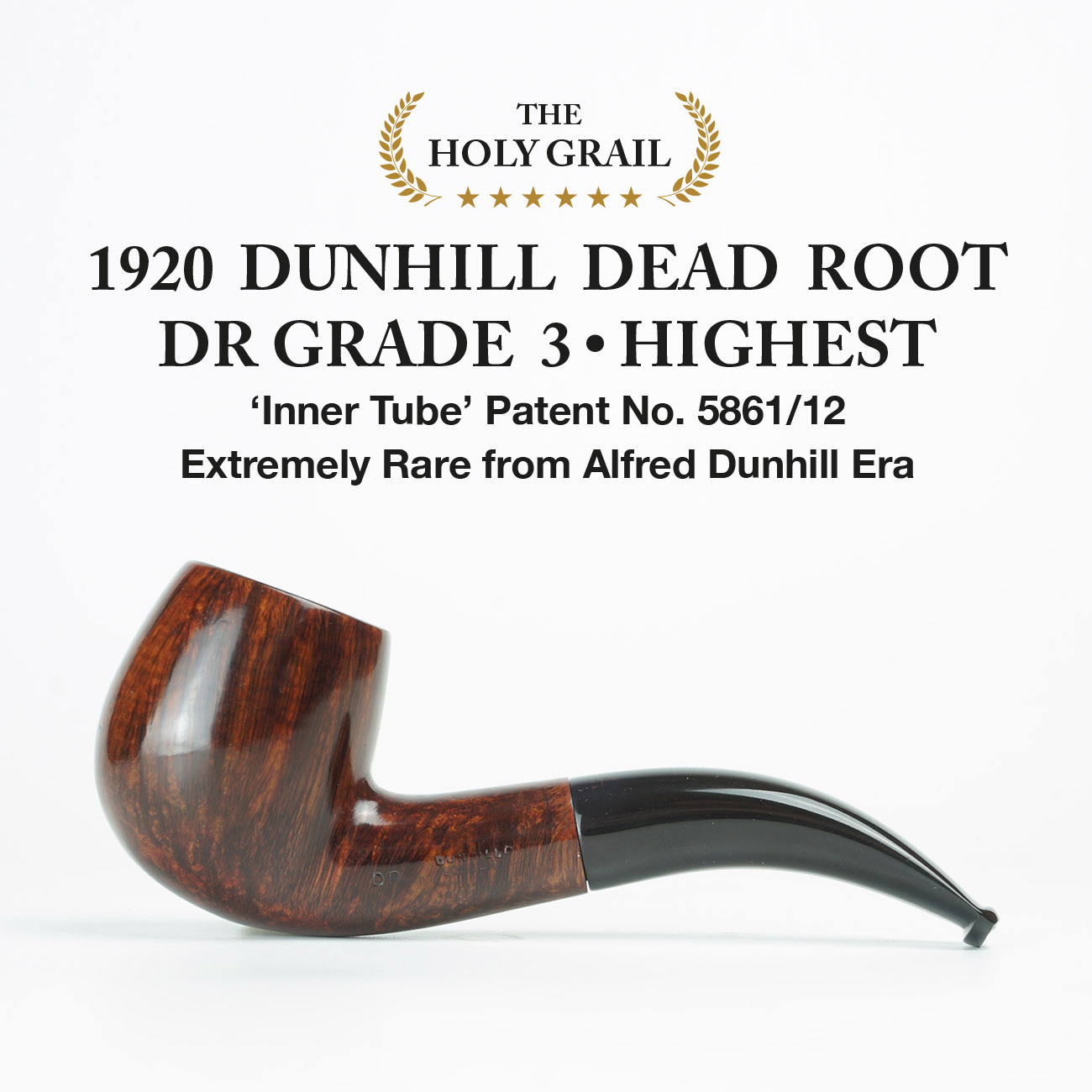
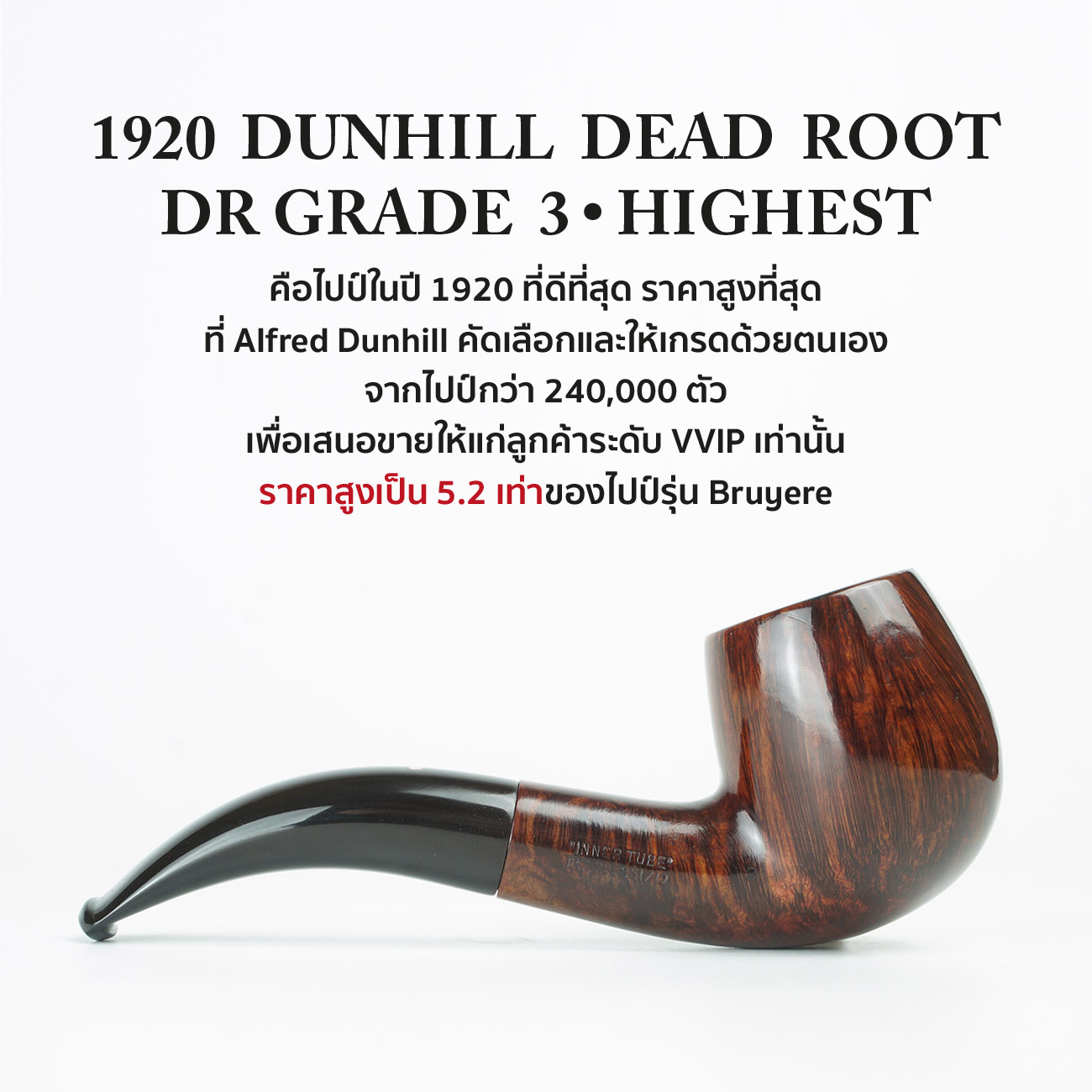
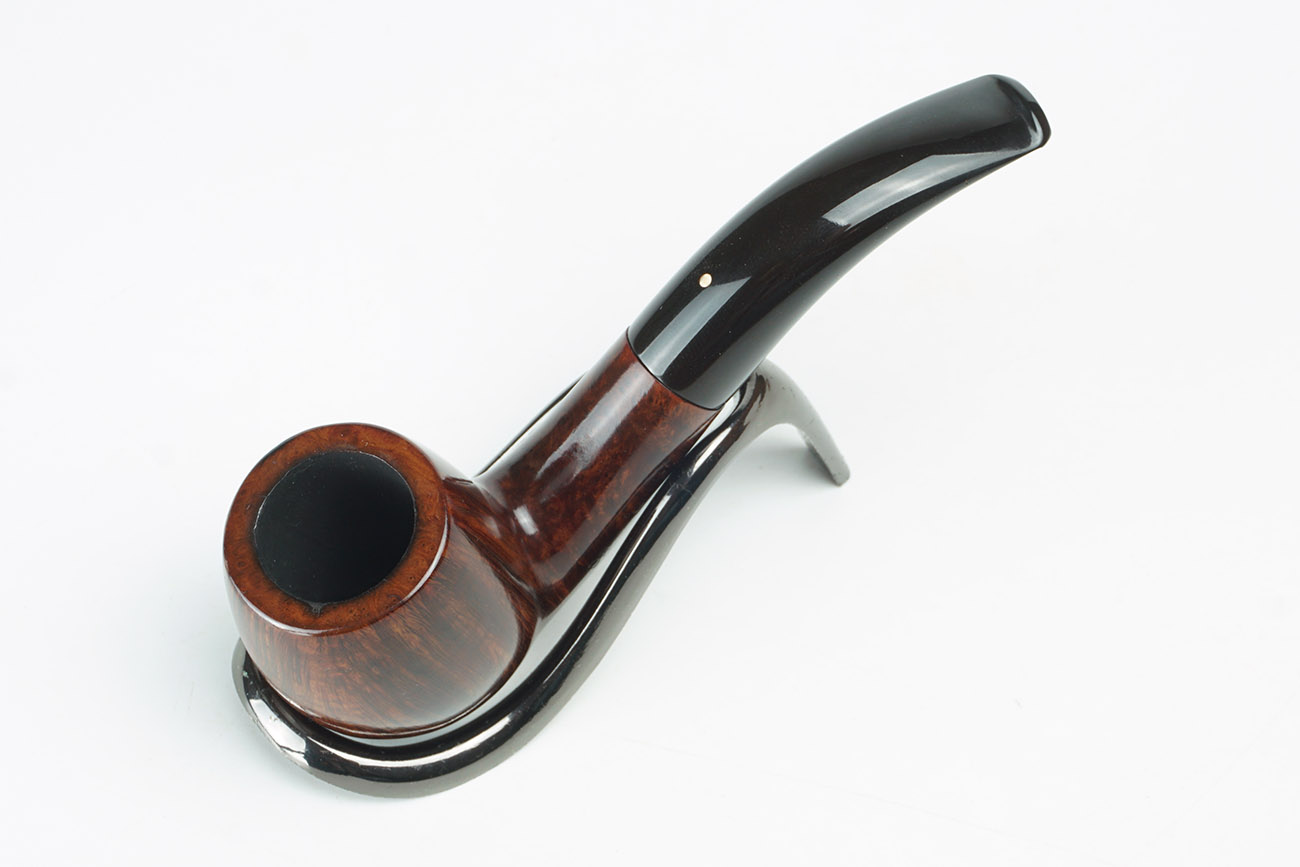
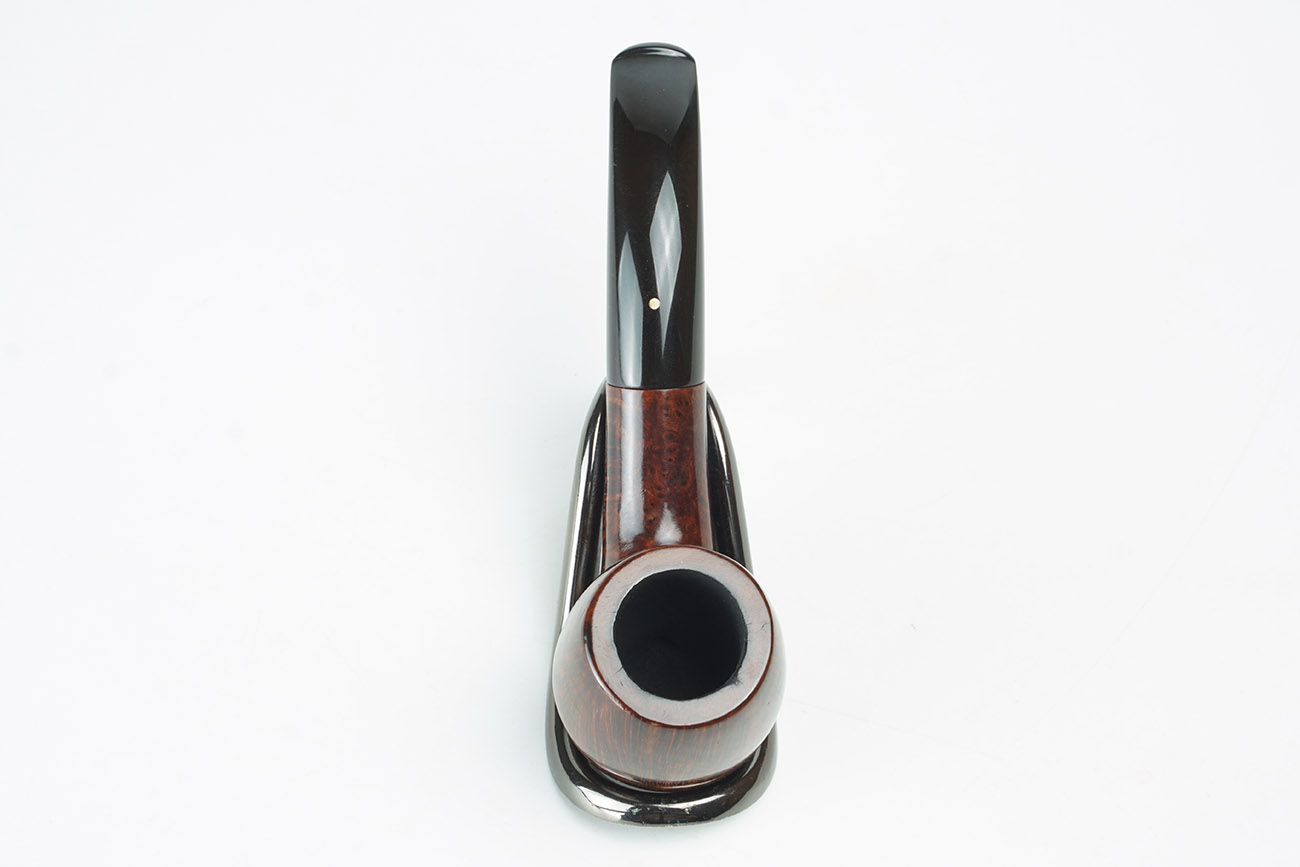
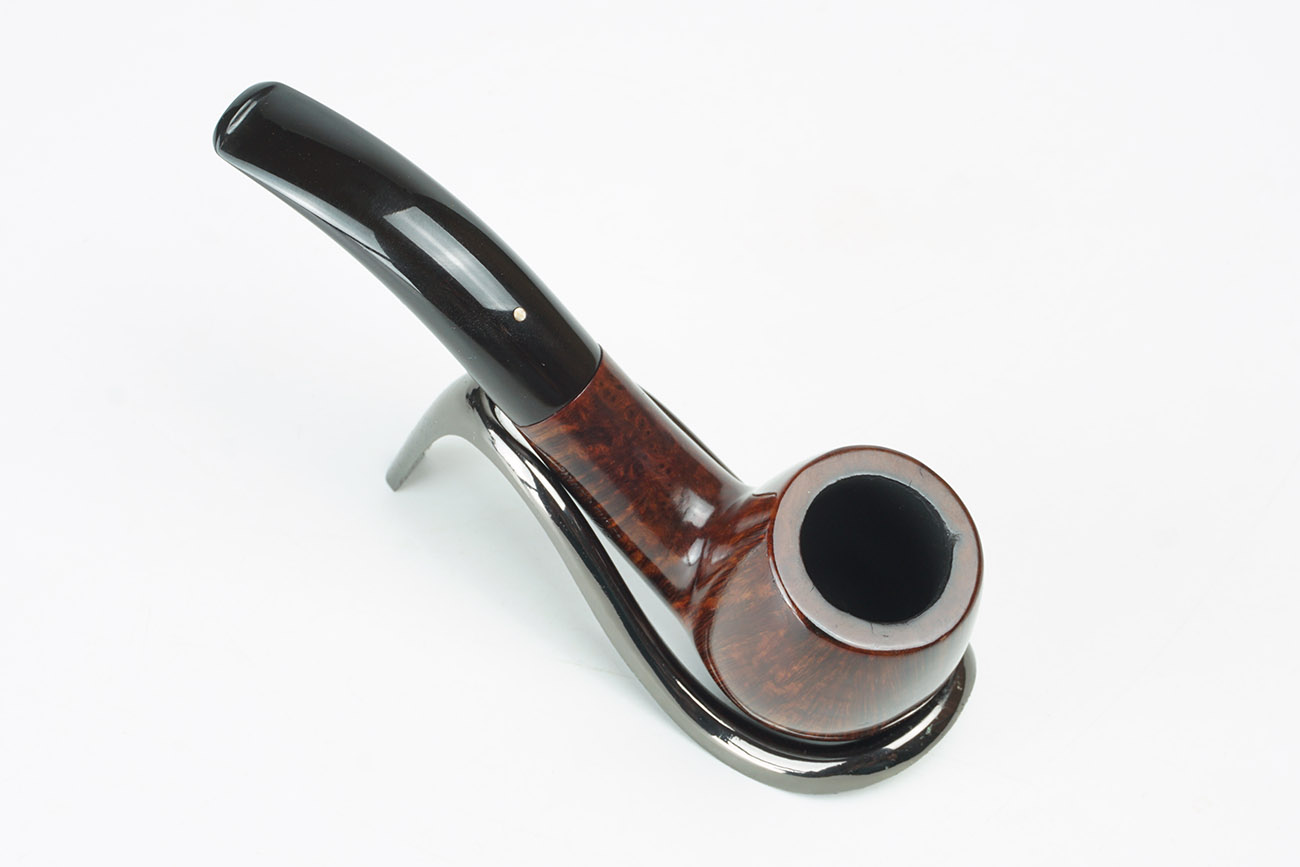
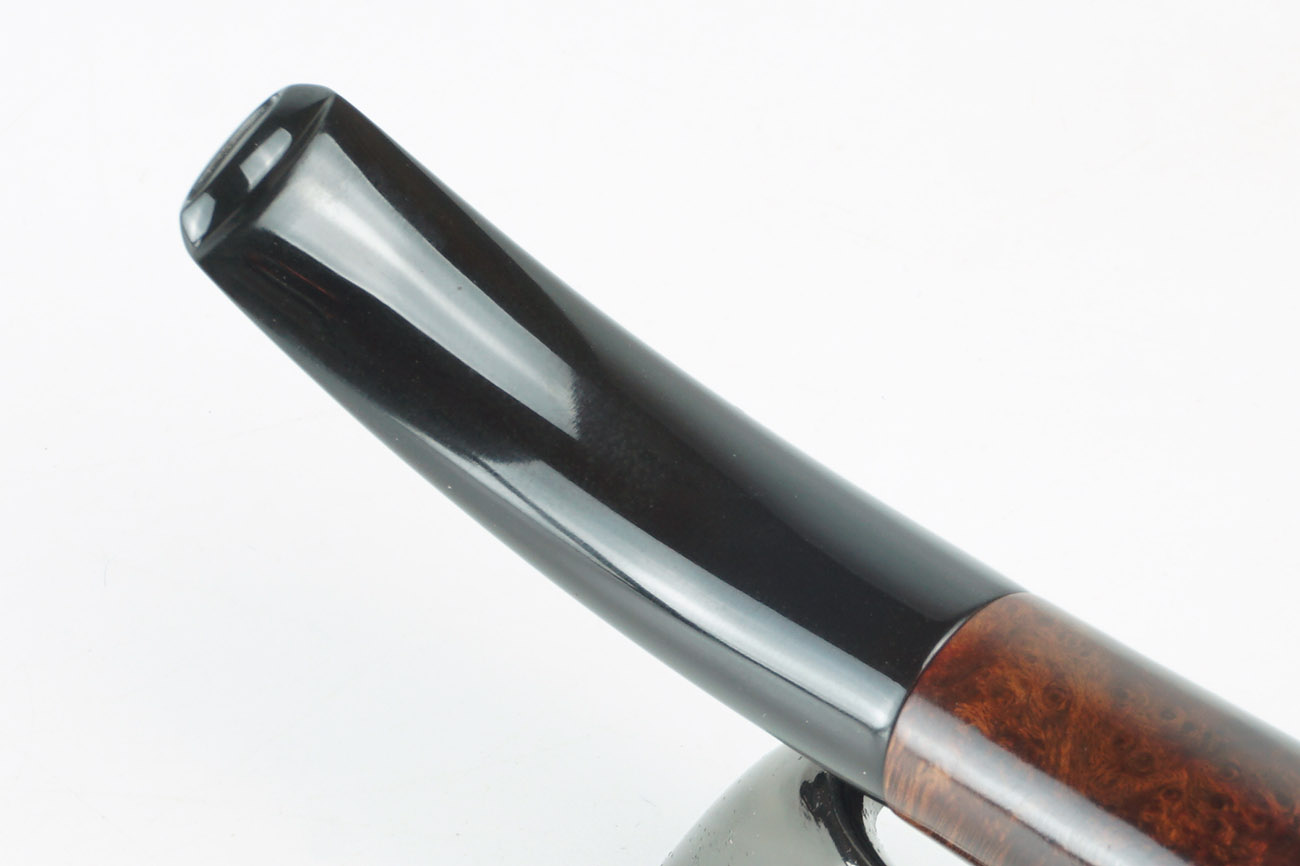
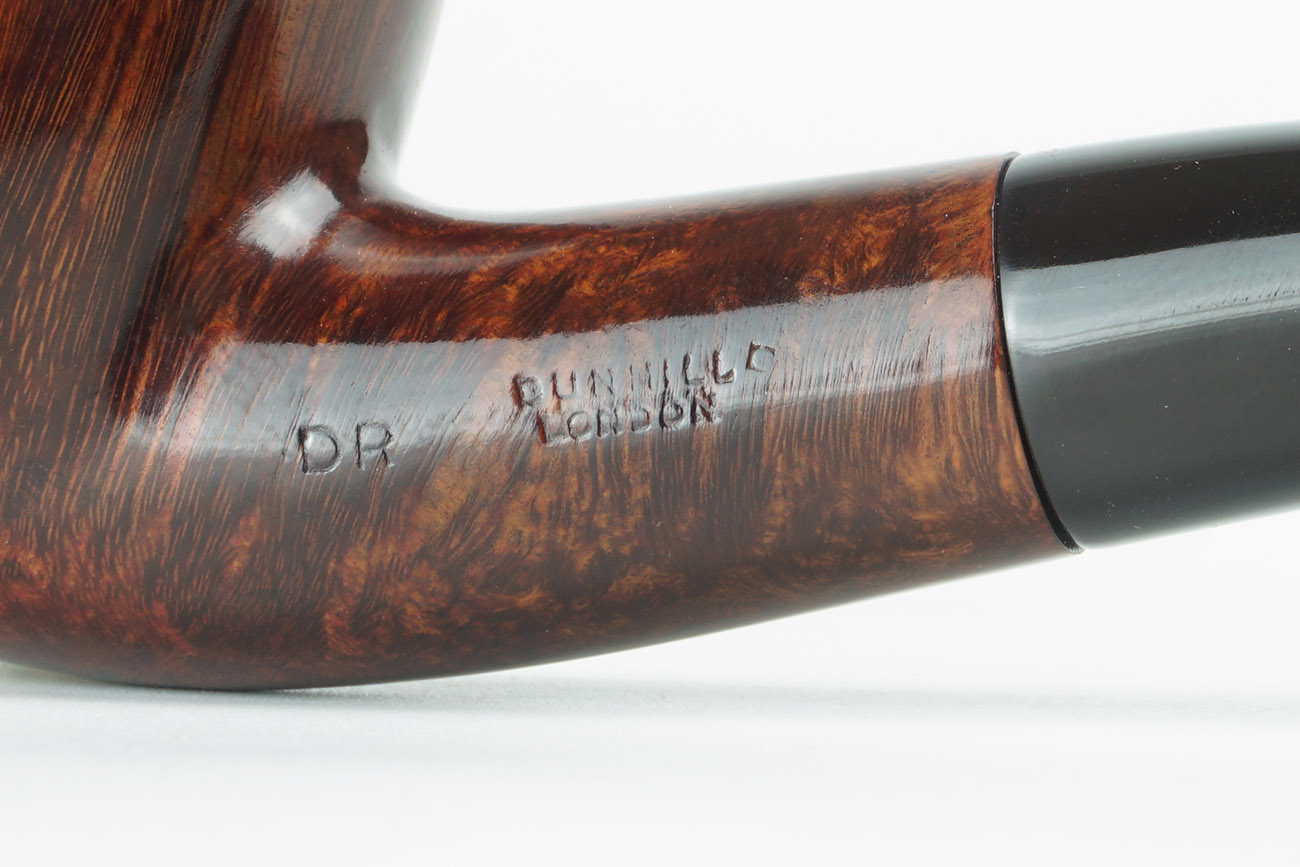
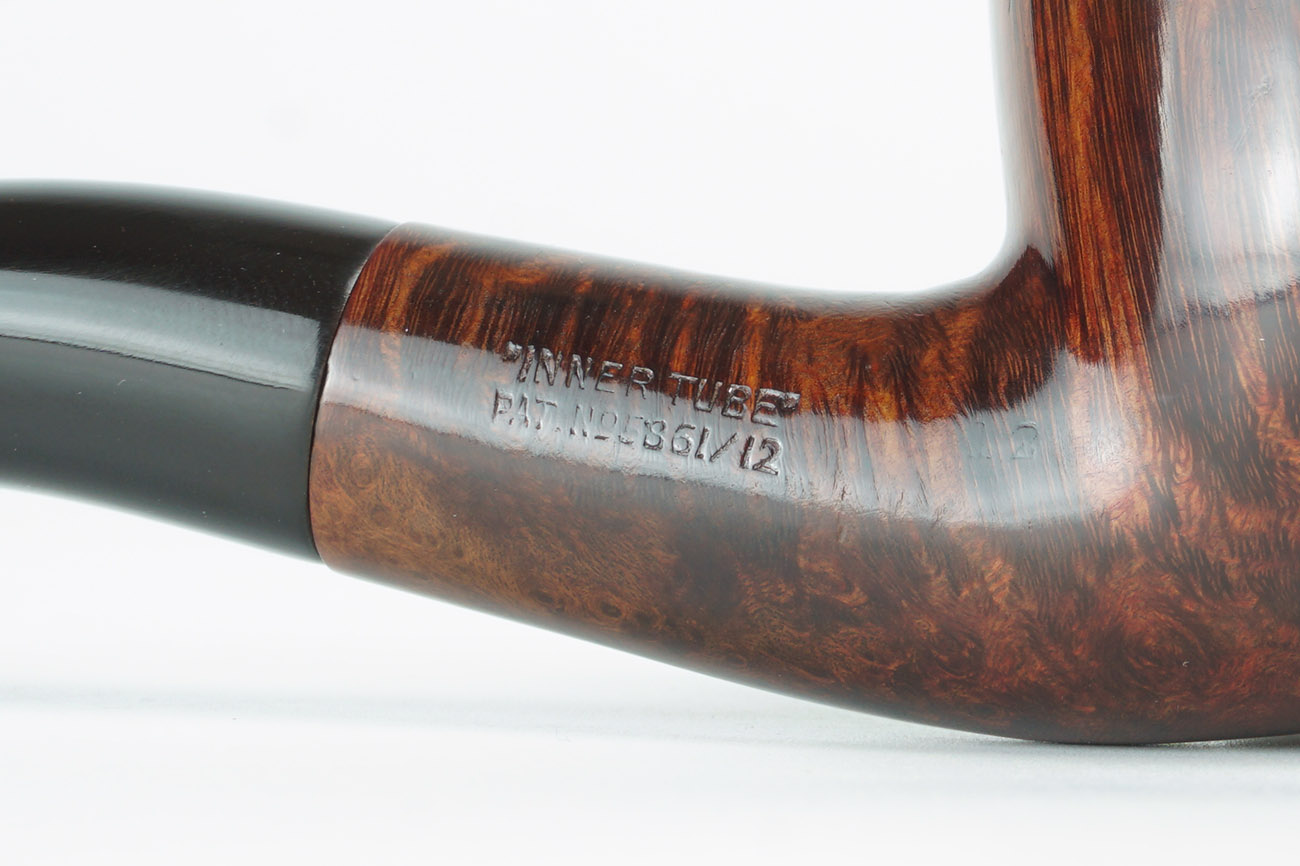
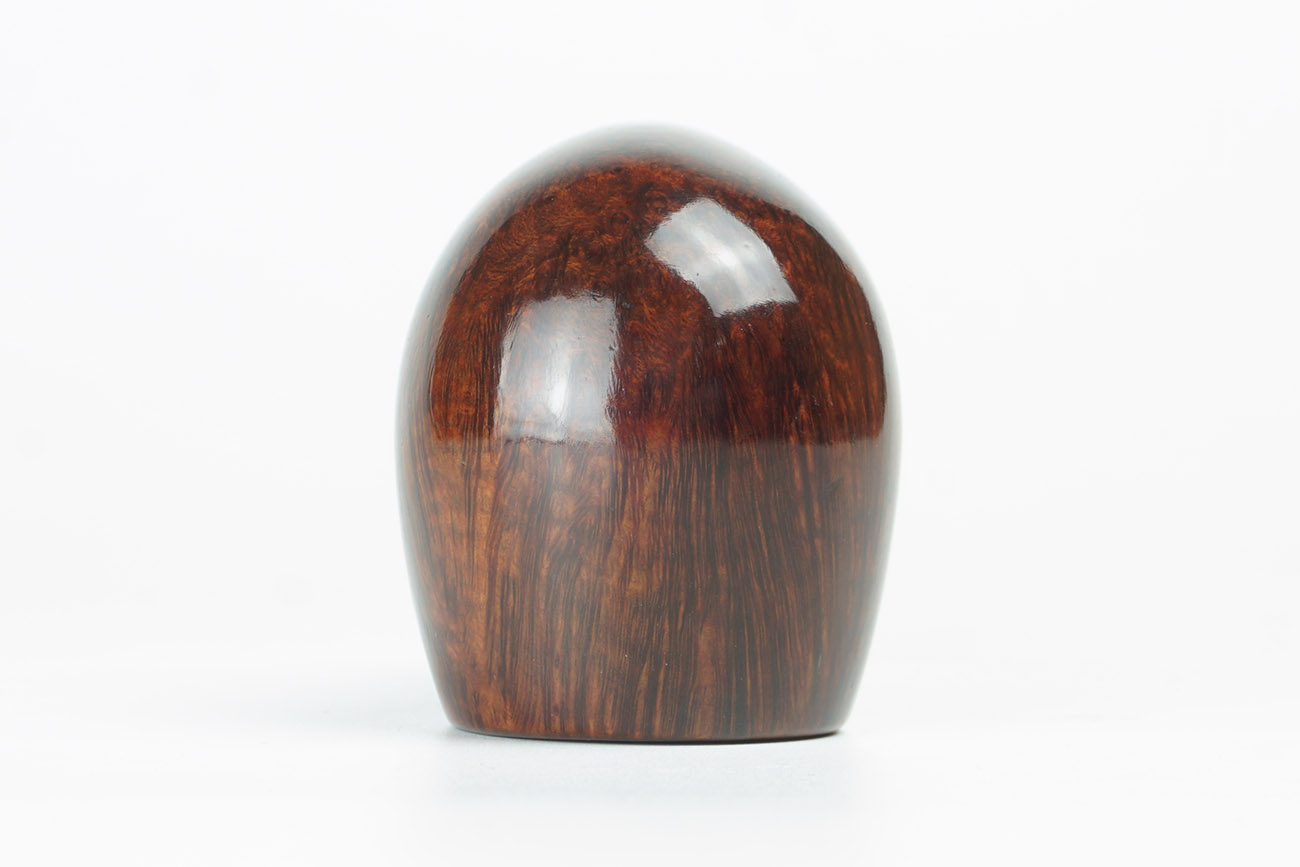
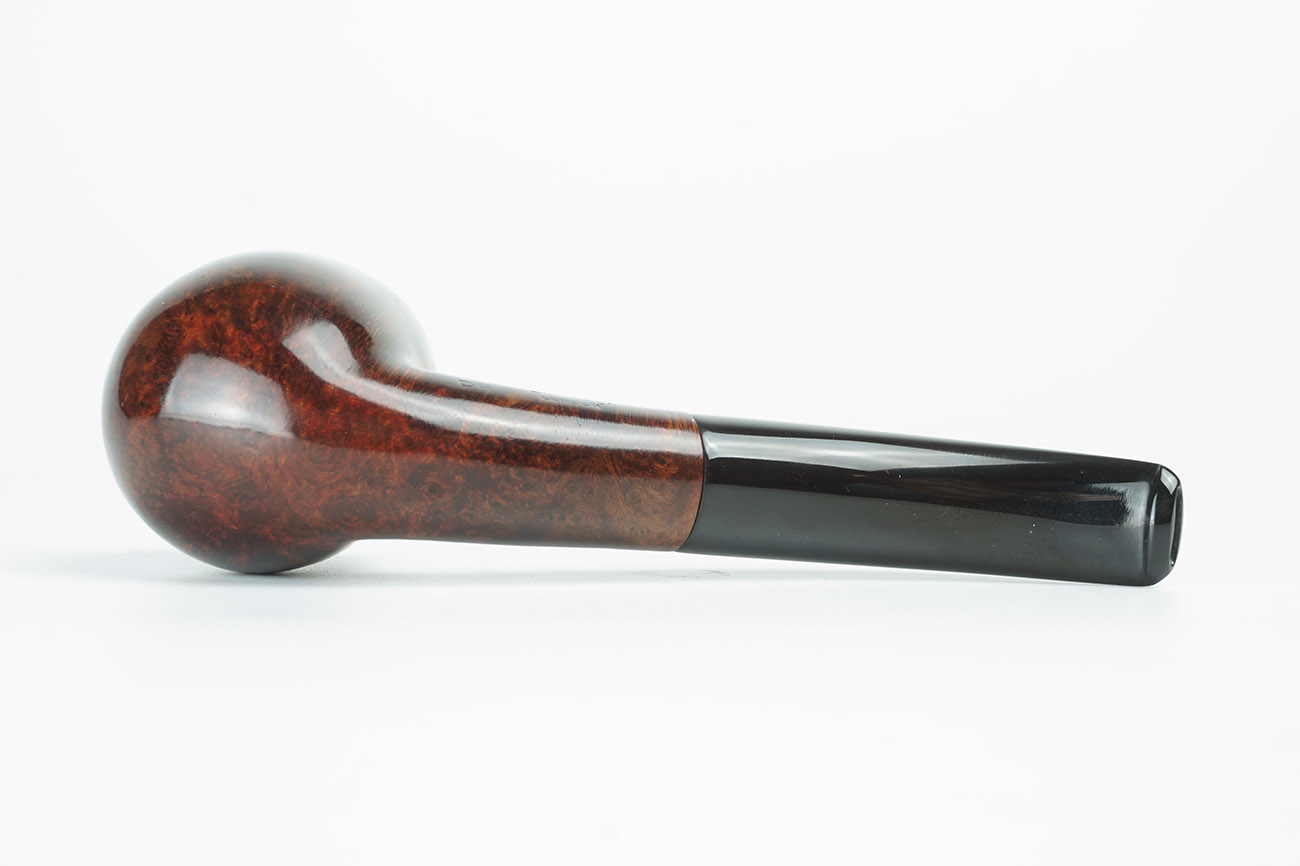
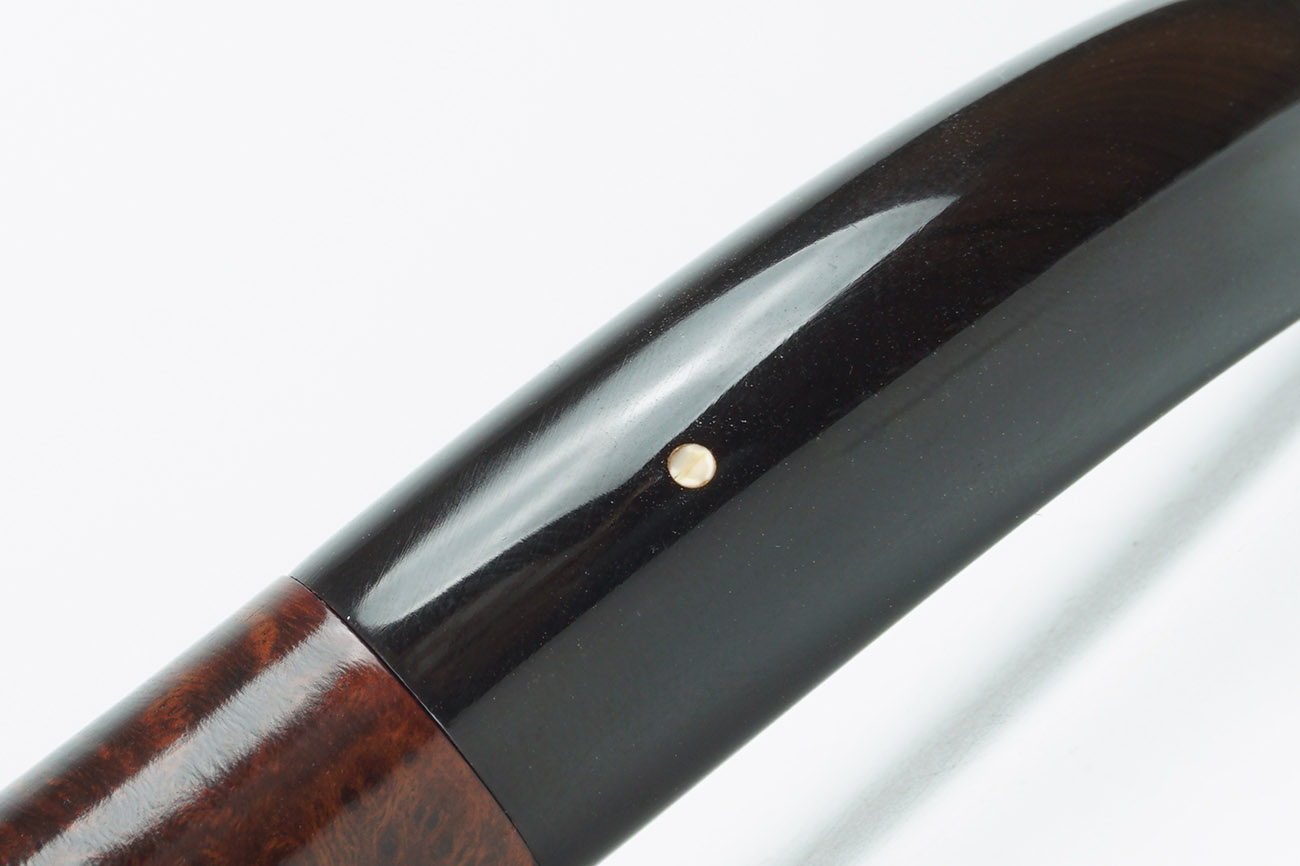
In the world of Dunhill pipe collecting, one of the most coveted series is undoubtedly the Dead Root. Produced in extremely limited quantities and carved from only the finest and most beautiful briar, these pipes commanded prices that were nearly the highest in the catalog (excluding commemorative editions or those adorned with diamonds, silver, or gold). To understand why this pipe is considered a "Holy Grail," we must look back at English society during the 1910s.
"Early 20th Century: When England Revolved Around 'The Ton'"
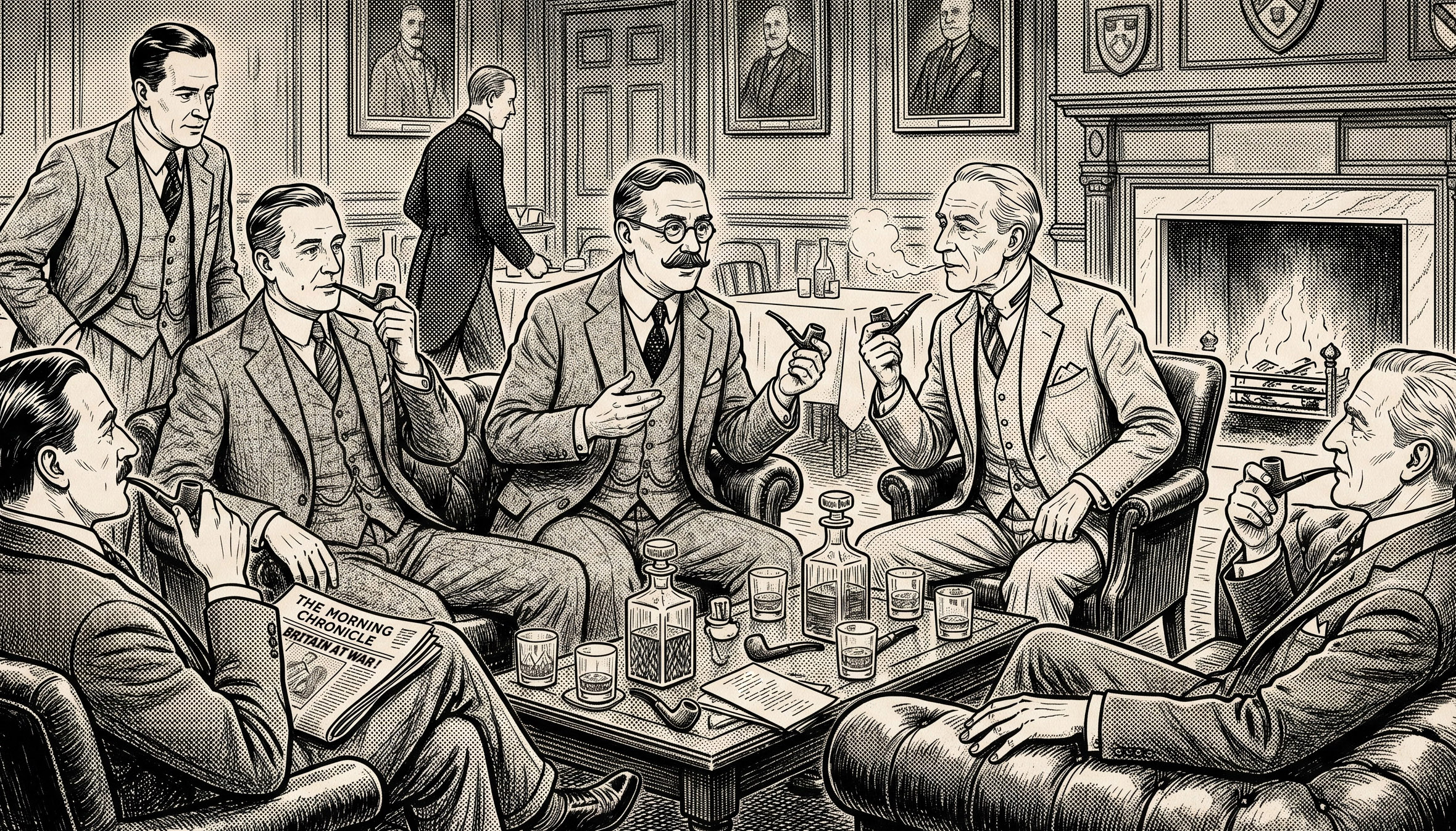
You may have encountered the term “The Ton” before. Derived from the French le bon ton, meaning "good manners and taste," it referred to the uppermost crust of British society. Membership in "The Ton" required more than just wealth; it demanded high birth and impeccable social standing. These were the individuals found in exclusive gentlemen’s clubs, at the Royal Ascot, the Henley Royal Regatta, or at weekend parties in country manors staffed by nearly a hundred servants. This demographic was the primary target for the Dunhill brand.
Regarding social life, one of the most prestigious venues for a high-society gentleman was White’s Club on St. James’s Street, London. It was often said, "It is easier to walk on the moon than to walk into White’s." Membership required a waiting list and a proposer; the process could take a lifetime, and one could still be "blackballed" (rejected) depending on one's status.
According to accounts from members of that era, club life was governed by strict etiquette. One wore White Tie—preferably tailored on Savile Row—and carried a Patek Philippe or Dent timepiece. It was here that a Dunhill pipe often played a supporting role in a man’s image. Other members would observe you in silence, gauging whether your "class" was sufficient for them to initiate an introduction.
"Fewer Than 10 Out of 240,000"
The Dunhill Dead Root (DR) pipe is believed to have debuted around 1910. It utilized a different type of wood than the standard models; Alfred Dunhill claimed it was Calabrian briar from roots that were over 100 years old and had died naturally in the ground before being harvested.
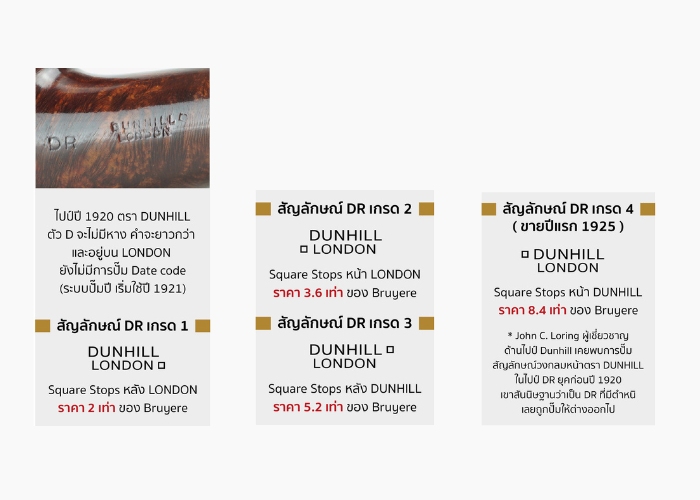
The Dead Root pipes were originally categorized into three grades based on beauty. Grade 3 was the highest until 1925, when Grade 4 was introduced to satisfy the booming American market. In modern terms:
Grade 1 corresponds to DR 1–2 stars.
Grade 2 corresponds to DR 3–4 stars.
Grade 3 corresponds to DR 5–6 stars.
Grade 4 (introduced in 1925) corresponds to DRG – DRH.
In the year 1920, average production was roughly 3,000–6,000 pipes per week. However, because the quality of wood required for a Dead Root was so rare, only an estimated 100–150 DR pipes were produced annually out of more than 240,000 pipes total. Of those:
Grade 1 made up about 60%.
Grade 2 made up about 35%.
Grade 3—the pinnacle—accounted for only 5% or less.
This means only 5 to 7 Grade 3 pipes were produced in a year. Alfred Dunhill personally hand-selected which pipes earned the DR stamp. These pieces were usually reserved for VIP clients before they ever reached the shop floor. A Grade 3 was reserved exclusively for his most elite clientele, and Dunhill himself would decide who was worthy of being offered one.