



8 Tips for Choosing Your First Pipe: A Beginner’s Guide
For anyone interested in the art of pipe smoking but feeling overwhelmed by the sheer amount of information out there—don’t worry, you aren’t alone. It can be hard to know where to start. Today, Vapourhouse presents "8 Tips for Choosing Your First Pipe" to help you get a better handle on the basics.
Generally, the world of pipe smoking consists of three main elements:
- Smoking Pipes and Accessories: This refers to Smoking Pipes itself and necessary accessories, such as pipe tampers, pipe filters, and pipe cleaners.
- Pipe Tobacco: The various blends and flavors available.
- Smoker: This refers to your personal skills and preferences, including techniques like packing the bowl, lighting, maintaining the ember, and cleaning. It also covers your personal taste, preferred aromas, handling comfort, and lifestyle.
Getting to Know Your Pipe
To choose the right one, it helps to understand the anatomy of a pipe. Every Smoking Pipe is defined by these core components:
Pipe Shape: The overall silhouette and design (e.g., Billiard, Apple, or Dublin).
The Bowl Material: The primary material used to craft the body of the pipe (such as Briar, Meerschaum, or Corn Cob).
The Stem or Mouthpiece Material: What the stem is made of (typically Acrylic or Ebonite), which affects how it feels in your mouth.
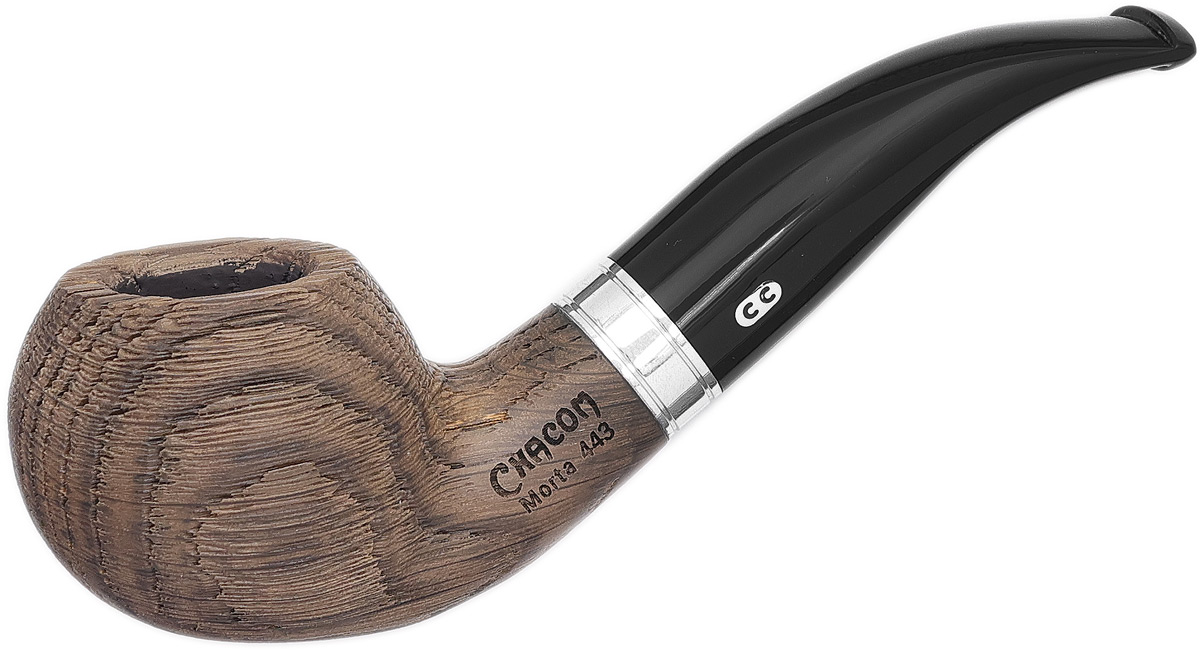
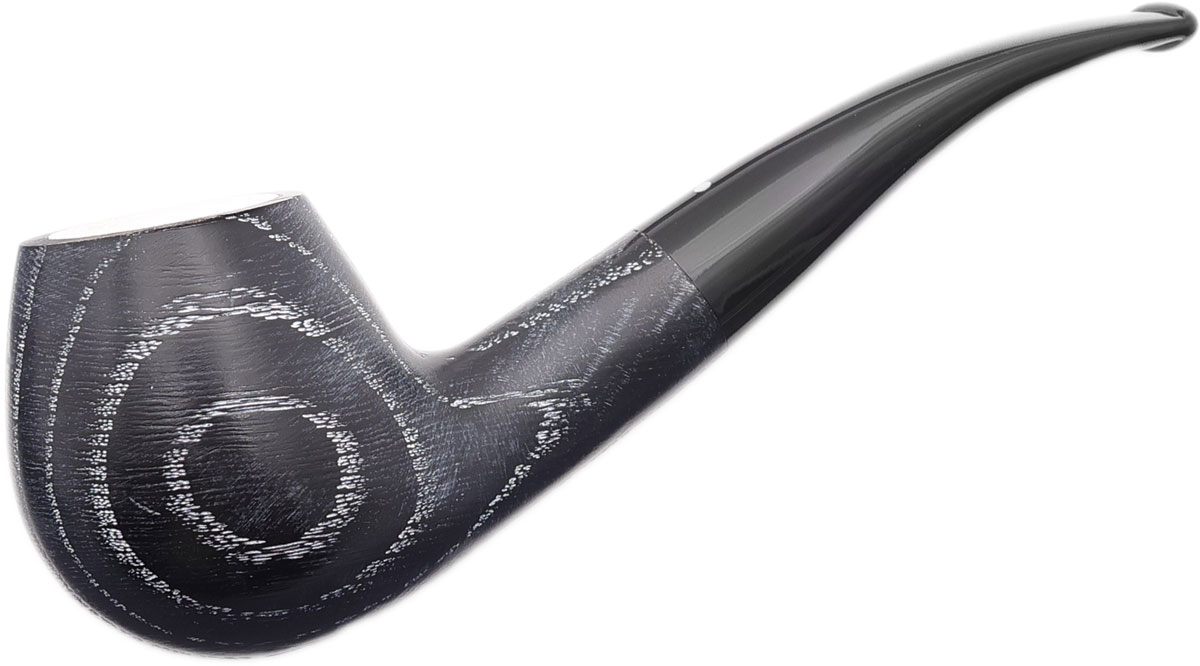
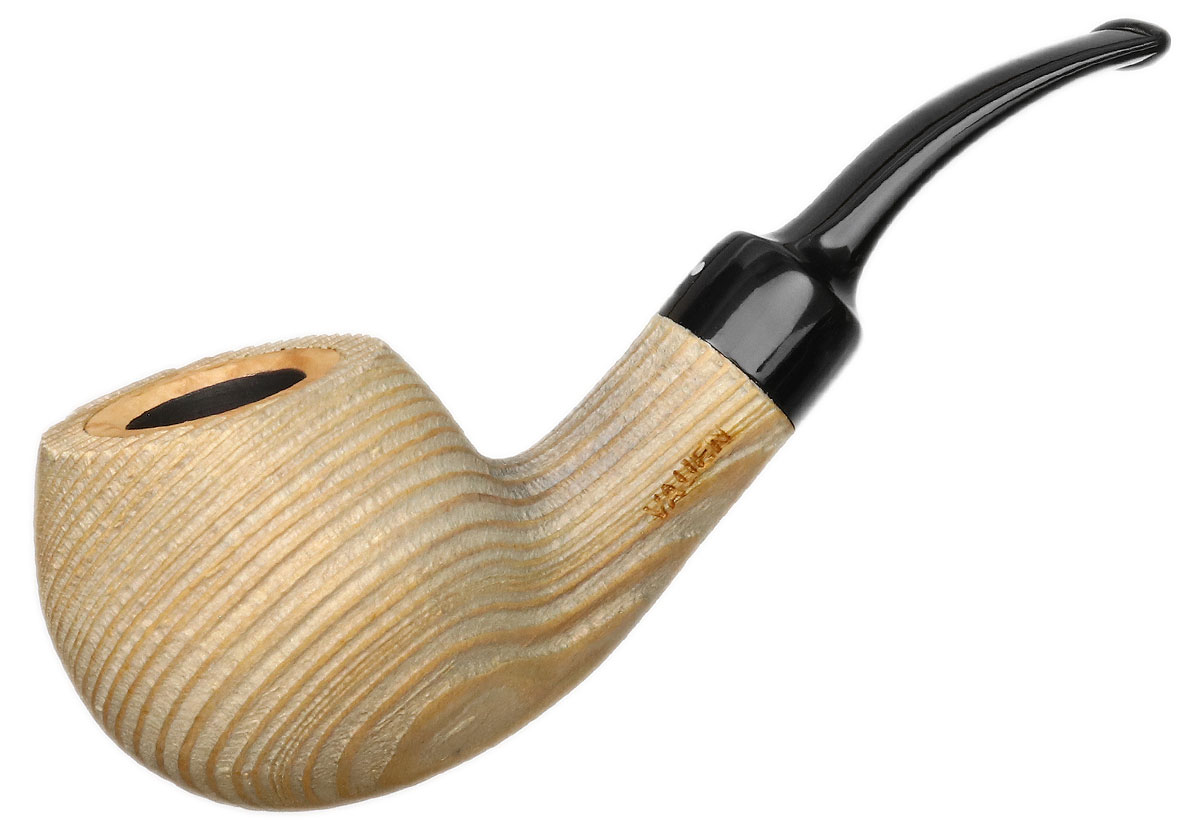
The Finish: The surface texture and appearance, ranging from smooth and polished to rugged and sandblasted.
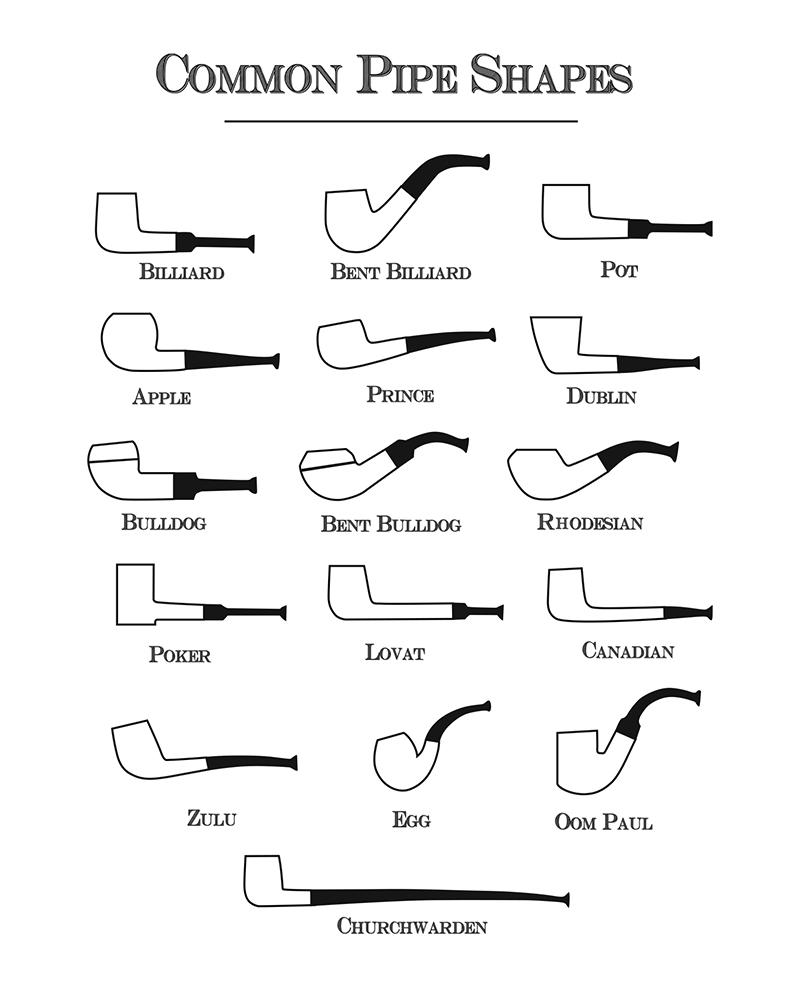
Understanding Pipe Shapes
In the world of pipes, there is an incredible variety of shapes, each with its own specific name to ensure clear communication between enthusiasts. While every manufacturer has its own unique design language—some subtle, some bold—leading brands that produce pipes on a larger scale often use numeric or letter codes to maintain consistency across their collections.
It is important to note that these codes are unique to each brand; for example, a "Shape 03" from one maker may look completely different from a "Shape 03" from another. However, there are universal shape names that everyone in the community understands based on their physical characteristics. Here are some of the most common ones:
- Apple: As the name suggests, the bowl is rounded and "plump" in the middle, tapering slightly toward the rim, much like an actual apple.
- Billiard: This is the most popular and iconic shape. It features a cylindrical bowl with uniform proportions from the base to the rim, finished with a gently curved heel.
- Dublin: This shape features a narrow base that gradually flares outward, becoming wider as it reaches the rim of the bowl.
- Pot: Very similar to the Billiard, but with a shorter, "squat" bowl that resembles a cooking pot.
- Bulldog: A bold, sturdy shape. The bowl is widest near the top and usually features a signature "twin bead" (two parallel lines) carved into the wood.
- Poker: A cylindrical pipe with a flat base, allowing it to stand upright on its own. This shape is frequently seen in corn cob pipes or the classic "Popeye" style.
- Churchwarden: Easily recognizable by its exceptionally long stem, providing a cooler smoke and a very distinct look.
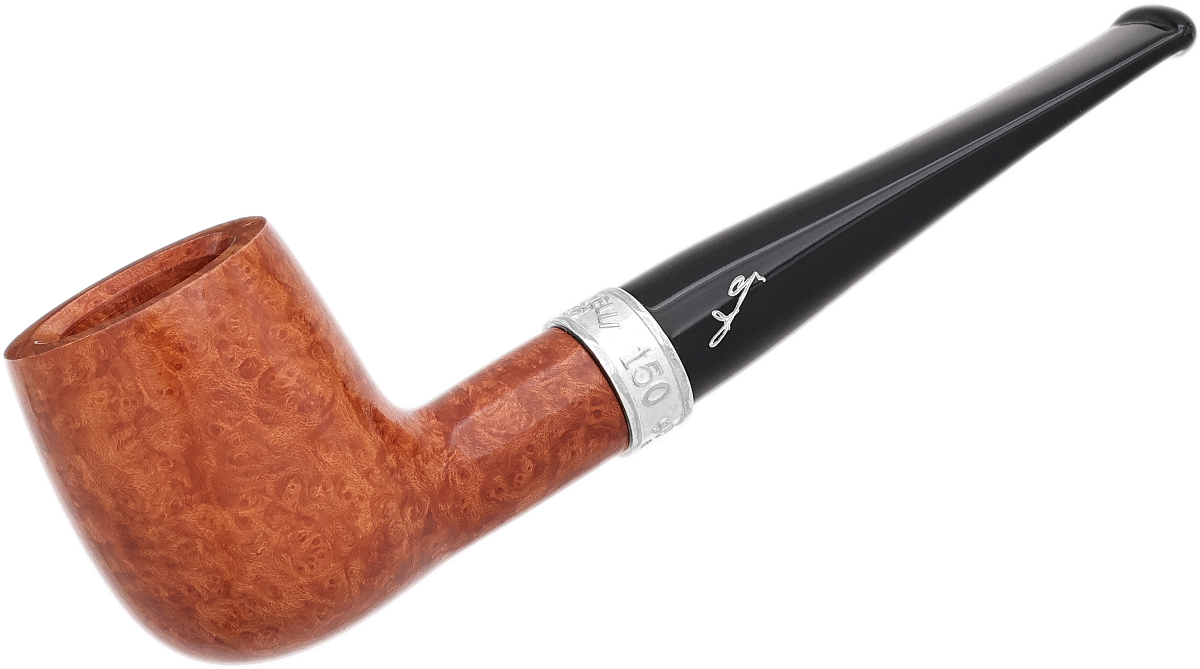
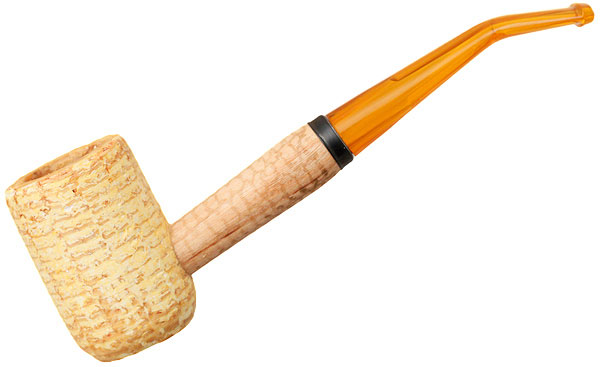
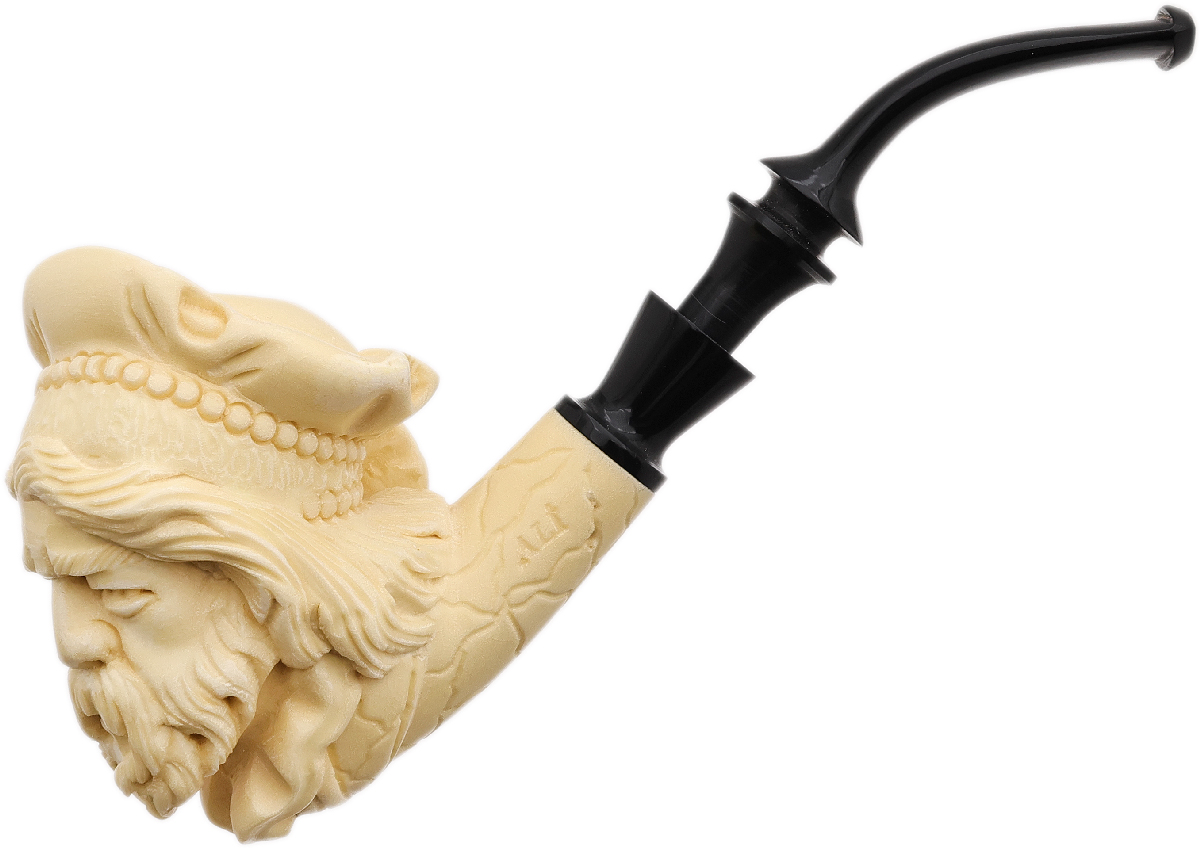
Pipe Materials: What Your Pipe is Made Of
Once you have a grasp of the different shapes, the next step is understanding the materials. Leading brands primarily use Briar wood. However, in recent years, other materials have become more common as alternatives, and the choice of material significantly impacts both the smoking experience and the price.
- Briar: Universally recognized as the gold standard for pipe making. It is prized for its beautiful natural grain and its exceptional ability to withstand high heat.
- Corn Cob: Often referred to as a "Cob," this is an excellent, budget-friendly option for beginners. The main advantages are that it is very lightweight and provides a "dry" smoke (absorbs moisture well). However, it has a much shorter lifespan compared to Briar pipes.
- Meerschaum: A soft white mineral (magnesium silicate) often intricately carved into artistic shapes. It is highly porous and absorbs moisture and oils from the tobacco, which causes the white pipe to gradually change color to a rich golden-brown or deep red over time. It is, however, quite fragile and can break easily if dropped.
- Alternative Woods: Due to the increasing scarcity of high-quality Briar, many manufacturers are turning to alternative woods such as Morta (Bog Oak), Rosewood, Beechwood, Pearwood, and Olivewood. These offer unique aesthetics and different smoking characteristics for those looking for something beyond the traditional.
Stem and Mouthpiece Materials
An essential part of any pipe—aside from the Bowl where the tobacco is packed—is the Stem (or Mouthpiece). This is the part that comes into direct contact with the smoker’s lips. Manufacturers often use the stem as a creative playground to set their brand apart, attracting buyers with vibrant colors, unique patterns, and decorative accent rings.
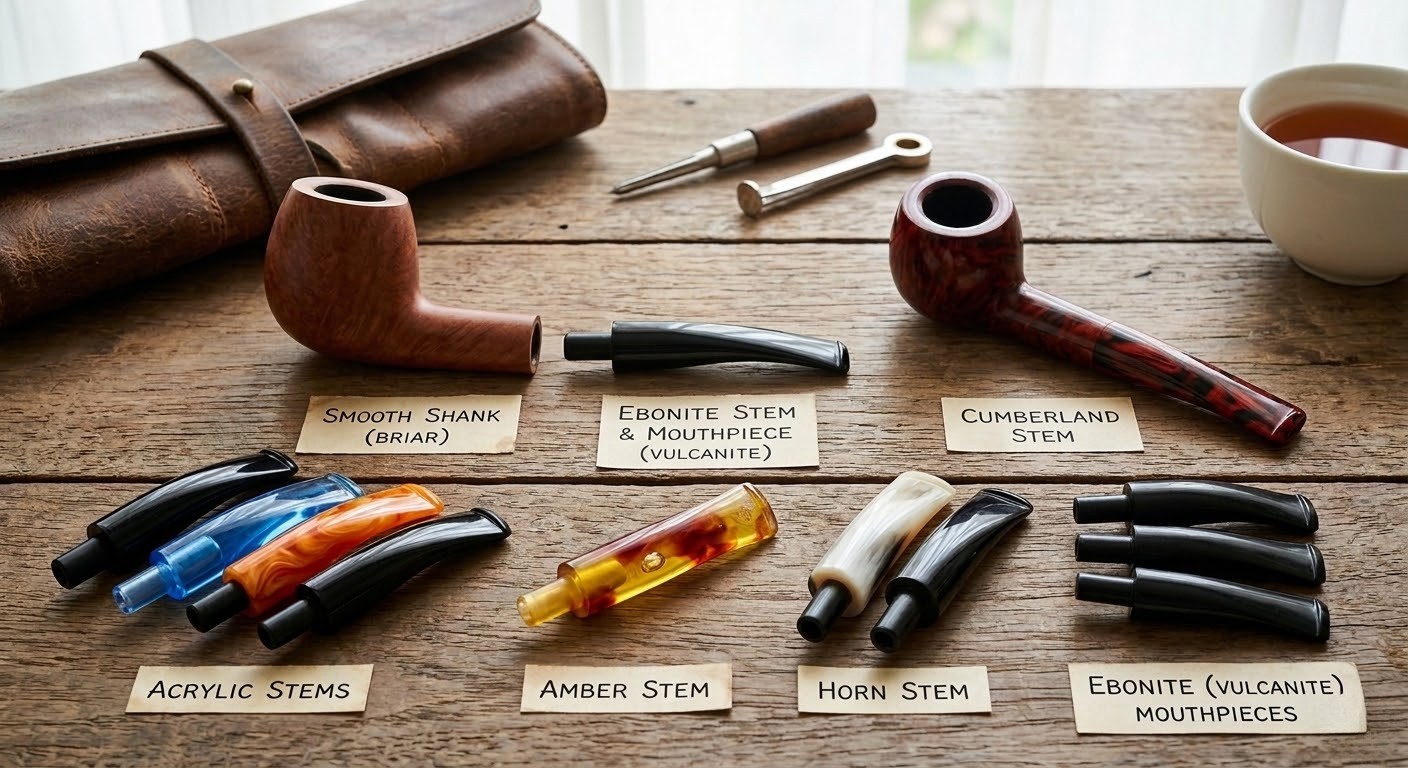
While designs vary wildly, the materials used to produce them generally fall into three main categories:
- Acrylic (often called Lucite)
Acrylic is a synthetic material that has seen a massive surge in popularity, particularly with modern pipe designs.
- Key Advantages:
- Oxidation-Free: Its greatest strength is that it doesn’t fade, turn green, or develop a bitter taste over time. It retains its brilliant shine with very little maintenance.
- Color Variety: It can be produced in a vast array of colors and patterns, ranging from translucent to completely opaque.
- Durability: It is highly resistant to scratches and external wear.
- Drawbacks:
- Hardness: It feels noticeably harder between the teeth. Some smokers find it less comfortable to "clench" compared to traditional rubber.
- Shaping: It is more difficult to bend or reshape than hard rubber.
- Hard Rubber (Vulcanite or Ebonite)
The traditional choice for pipe stems for generations, made from natural rubber hardened through a sulfur-based process.
- Key Advantages:
- Softness: It possesses a slight elasticity, making it feel much softer and more comfortable against the teeth.
- Classic Aesthetic: Generally comes in a deep, jet-black finish that offers a timeless, classic look.
- Easy to Shape: It can be heated and bent into various curves with relative ease.
- Drawbacks:
- Oxidation: When exposed to sunlight and moisture for long periods, the surface gradually turns a dull green or pale yellow and develops a bitter flavor.
- Maintenance: It requires regular polishing and special care to keep it looking pristine.
- Scratch-prone: It is softer and therefore marks more easily than acrylic.
- Horn
Common in the early eras of pipe making but quite rare today.
- Key Advantages: It offers unique natural beauty and a pleasant, non-rigid texture. It is durable and does not change color over time. Most horn stems are sourced from water buffalo or other livestock common to the region of manufacture.
Other Alternative Materials
Today, there are several other creative options for stems. A popular one is Amber, fossilized tree resin known for its iconic golden hue. Another is Cumberland, a specific style of Vulcanite/Ebonite featuring beautiful reddish-brown streaks throughout the material. Some brands even experiment with hybrid blends of Vulcanite and Acrylic to achieve one-of-a-kind colors and textures.
Pipe Finishes: The Final Touch
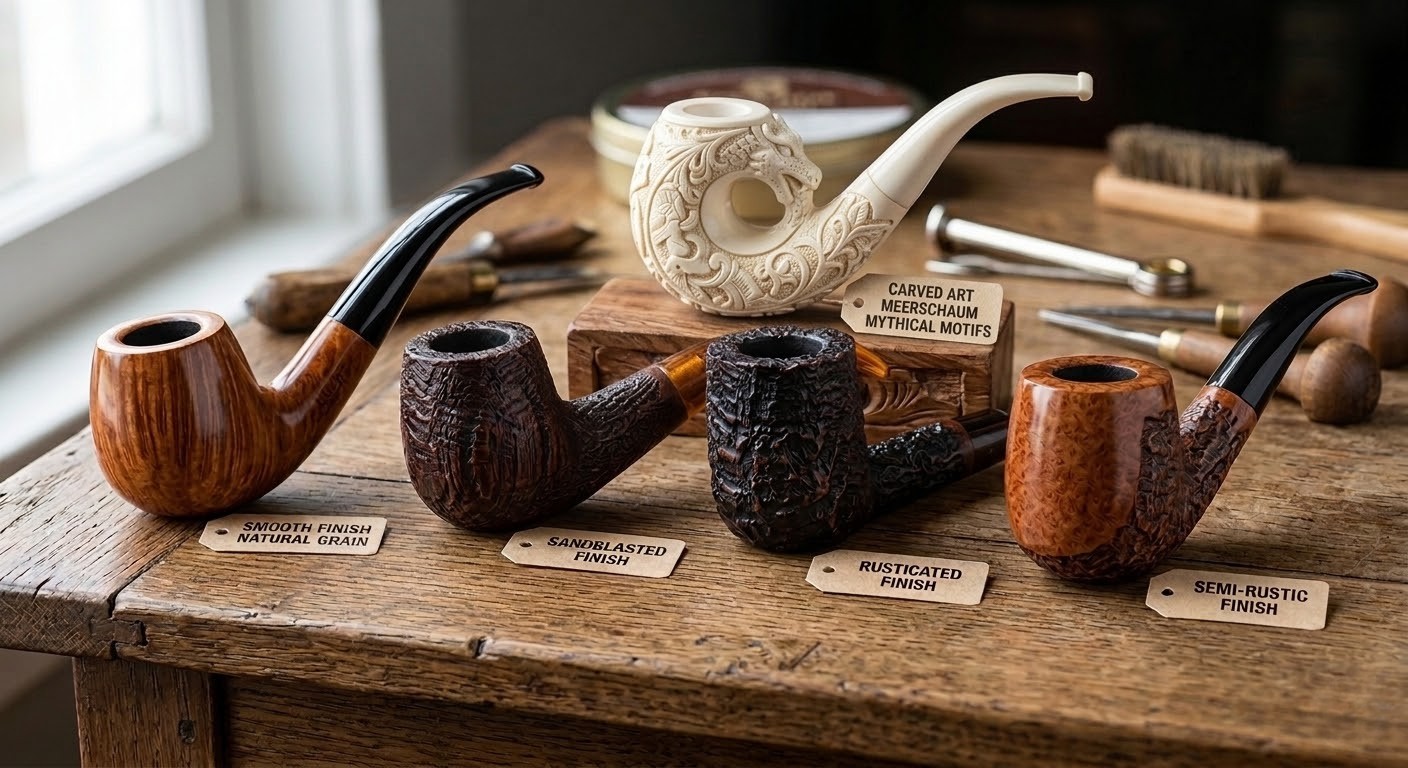
Beyond shape and material, the "Finish" or surface texture is what truly gives each pipe its individual character. The finish isn't just about aesthetics; it profoundly affects how the pipe feels in your hand and, in many cases, determines the price point even within the same model line.
Smooth Finish
A smooth finish is achieved by sanding the wood until it is perfectly sleek and even to the touch.
- Characteristics: If a light-colored stain is used, the natural grain of the wood becomes the star of the show. Often, makers use a two-tone staining process to make the "flame grain" or "birdseye" patterns pop.
- Variations: These pipes can be high-polish (glossy) or matte. In some cases, you may find a smooth finish with an opaque solid color that completely covers the wood grain.
Sandblasted Finish
This texture is created by blasting the pipe with fine sand or abrasive materials.
- Characteristics: This process erodes the softer parts of the wood, leaving the harder grain patterns raised in a beautiful, rugged texture. While the grain isn't as visually "clean" as a smooth pipe, you can feel the natural ring growth of the wood in your palm.
- Advantages: Sandblasted pipes dissipate heat more efficiently, provide a secure grip, and are much easier to maintain. Generally, a sandblasted version will be more affordable than its smooth counterpart in the same series.
Rusticated Finish
While every manufacturer has its own unique way of creating non-smooth textures, a "Rusticated" finish is typically the most rugged.
- Characteristics: The surface is deeply carved or roughened—often using specialized tools—to create a craggy, highly textured look that is much more aggressive than sandblasting. This style doesn't aim to showcase the wood grain.
- Value: Makers usually choose wood with minor surface flaws or less attractive grain patterns for rustication. Because of this, Rusticated pipes are often the most budget-friendly option in a brand’s lineup, despite offering a very cool, tactile smoking experience.
Carved Finish
Carving is most commonly associated with Meerschaum pipes, where the soft mineral is transformed into intricate shapes like historical figures, mythical creatures, or animals.
- Modern Twist: For Briar pipes, some brands use modern precision tools to create custom carved patterns, logos, or artistic textures as part of a premium or custom-made collection.
8 Tips for Choosing Your First Pipe
Now that you’ve mastered the basics of Pipe Shapes, Materials, Stem Types, and Finishes, the next step is finding the one that truly clicks with you. Selecting a pipe is a deeply personal journey; a pipe that looks stunning to someone else might not feel right in your hands.
Before you make a purchase, the first thing you need to do is "have a sincere talk with yourself" and figure out your "why."
- The Practical Smoker: If you are buying a pipe because you are genuinely interested in the ritual and the act of smoking, you’ll likely focus on functionality and the ease of use first, with aesthetics and price as secondary factors.
- The Curious Beginner: If you are just testing the waters and aren't sure if pipe smoking is for you yet, you might prioritize a budget-friendly price point as your starting line.
- The Collector or Gift Buyer: If you are looking for a showpiece or a special gift, you’ll likely gravitate towards striking beauty, the brand’s heritage, or unique features that set a particular pipe apart from the rest.
Understanding your motivation will make the following 8 tips much easier to navigate.

- Trust Your First Impression
If your goal is to actually enjoy smoking, the most important thing is to choose a pipe that "speaks" to you. Whether it's the silhouette, how it fits in your hand, the color, or a small detail that catches your eye—these elements are what make you want to pick it up and use it. Many beginners who go shopping with friends often run into a dilemma when a friend’s advice conflicts with their own gut feeling. While it’s helpful to listen to experienced smokers, at the end of the day, you must ask yourself: "If I take this pipe home, will I actually feel excited to smoke it?"
- Consider Your Smoking Volume (Chamber Size)
Many beginners worry about the technical side of smoking—packing the tobacco, lighting it, and maintaining a consistent burn. A key factor to consider here is the Chamber Size (the internal space where the tobacco goes), not just the external size of the bowl. You should look at both the diameter and the depth. While most pipes have similar diameters, the depth can vary quite a bit. You can usually estimate this by eye or ask a salesperson for the exact measurements to ensure it matches how much you intend to smoke in one sitting.
- Choose the Right Size for Your Lifestyle
Only you know your own habits best. Most buyers already have a specific "smoking scenario" in mind before they even walk into a shop. Your choice should reflect when and where you plan to smoke. For example, if you envision relaxing at home for long periods, a larger, hand-filling bowl that holds more tobacco might be ideal. However, if you have limited time or plan to carry your pipe with you on the go, a more compact, pocket-friendly model would be a better fit.
- Set a Realistic Budget
Having a budget in mind beforehand helps narrow down your choices quickly. Everyone’s definition of an "affordable" or "entry-level" pipe is different based on their background and experience. A complete novice might look strictly at the price tag, whereas someone else might evaluate "value for money" based on durability and performance over time. Meanwhile, those buying a pipe as a gift or a collectible will likely prioritize luxury, brand heritage, and the story behind the piece.
- Choose from Your "Smoking Inspiration"
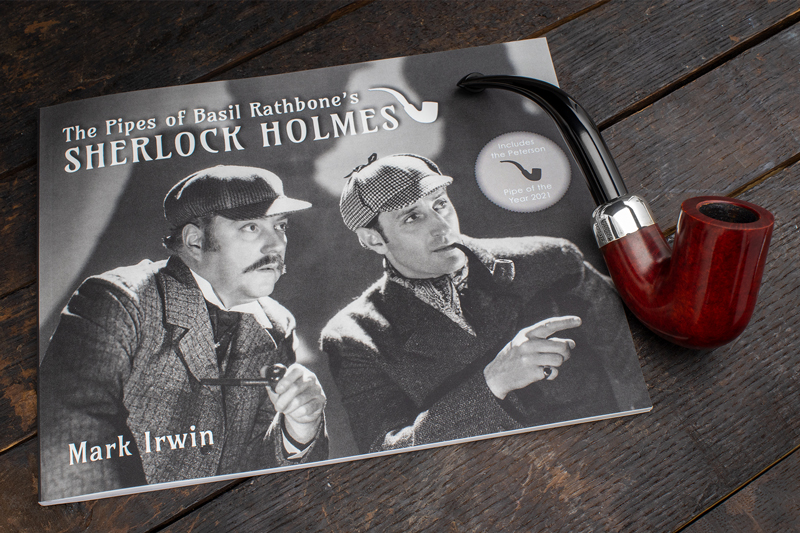
Many smokers start their journey because they were inspired by something specific—perhaps a striking character in a movie or someone they saw in real life. If you have a "vision in your mind," describing it to a specialist can make finding the right pipe much easier. Whether you want a long, elegant pipe like in The Lord of the Rings or a classic detective style like Sherlock Holmes, clear communication is key. However, keep in mind that "Sherlock’s pipe" varies across movies, series, and illustrations. Most versions feature a large, heavy, deeply curved Calabash shape, which can be a bit challenging for a true beginner to handle.
- Go with the Best-Sellers
When we talk about best-sellers, we look at both "Shapes" and "Series." In terms of shapes, the Billiard and Apple are the undisputed champions—they are well-proportioned, fit perfectly in the hand, and feature medium-sized chambers that are easy to use and maintain. If you prefer looking at a "Series" or "Collection," it often comes down to value and design. For instance, the Molina Starter Set is a hit because it’s specifically designed for beginners and offers great value. On the other hand, the Peterson System Pipe is globally acclaimed for its engineering, which solves common smoking issues like excess moisture.
- Straight vs. Bent: Finding Your Balance
The choice between a straight and a bent pipe isn't just about looks; it affects how the pipe feels in your hand, how it hangs from your mouth, and how you clean it.
- Straight Pipes: Often seen as modern, sleek, and energetic. A major practical plus is that they are very easy to clean, as a pipe cleaner can pass straight through to the bowl.
- Bent Pipes: These offer a classic, vintage vibe. If you prefer to "clench" (keeping the pipe in your mouth), a bent pipe is usually better because the curve helps balance the weight, making it feel lighter. The Half-Bent is the most popular choice as it offers the perfect ergonomic angle. Just be aware that bent pipes can trap more moisture and debris, requiring a bit more attention during cleaning.
- Start with a "Starter Set"
For those who want to skip the guesswork, a Starter Set is the ultimate shortcut. These sets typically include a popular, high-quality pipe (like a Billiard, in either straight or bent versions) along with all the essentials: a 3-in-1 Pipe Tool, pipe cleaners, and filters (if the model requires them). Each brand offers slightly different bundles, but the goal is the same: providing everything you need to start your first session immediately with confidence.
Final Thoughts: The Best Way to Learn is to Start
At its core, pipe smoking is a relaxing hobby and a rewarding way to spend your leisure time. While this guide may seem detailed and a bit lengthy, it’s simply here to give you a clearer roadmap. The absolute best way to learn, however, is through hands-on experience. Don’t worry if things aren’t perfect at first; you’ll naturally find solutions to any small hurdles as you smoke. Over time, you’ll develop your own unique techniques and rhythms that work best for you.
If you’ve read through this and still find it hard to visualize your perfect pipe, why not come see the real thing? Feel free to drop by Vapourhouse to handle the pipes in person and have a chat with our staff. We’re always here to help you find the pipe that’s truly right for you.