Pipe Blog

The History of Ropp Pipes

The History of Ropp Pipes

When it comes to pipe brands with distinct charm, historical transitions, and a rich French heritage, Ropp is undoubtedly a legendary name that captures the attention of pipe collectors worldwide. Renowned for traditional craftsmanship—such as genuine horn stems and classic French shapes—let's delve into the deep history of Ropp pipes, from their origins and transition to their modern revival.

1. The Origins of Ropp: A Legacy from Baume-les-Dames

Founded in France, Ropp set itself apart from other French pipe manufacturers of its era by establishing its operations in Baume-les-Dames (located approximately 150 kilometers from St. Claude, the traditional heart of French pipe making).

As pipe smoking experienced a global decline during the mid-to-late 20th century, many factories were forced to consolidate. The Ropp factory officially closed its doors in 1991. Shortly thereafter, the brand and its assets were acquired and managed by Chapuis-Comoy (the renowned manufacturer behind Chacom pipes).

2. Unearthing Hidden Treasure: The Birth of the 'Ropp Project'

The revival of the Ropp brand was born out of a collaboration between Sykes Wilford (founder of Smokingpipes.com) and Antoine Grenard (head of Chapuis-Comoy).

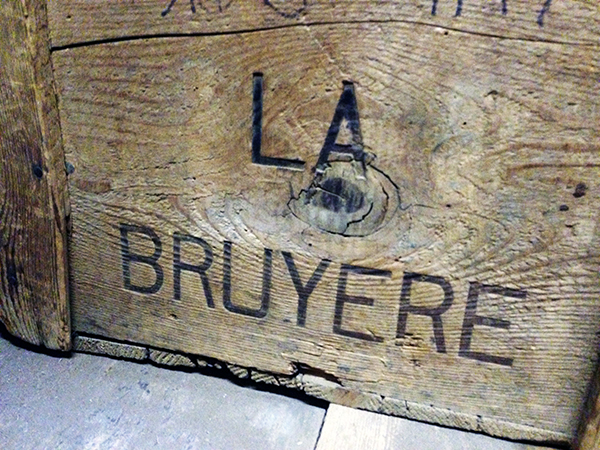
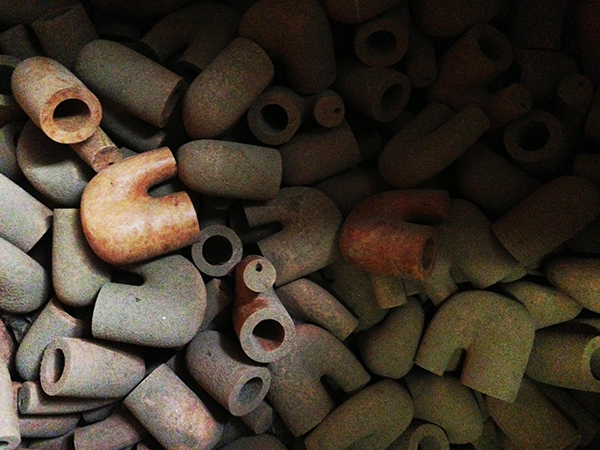
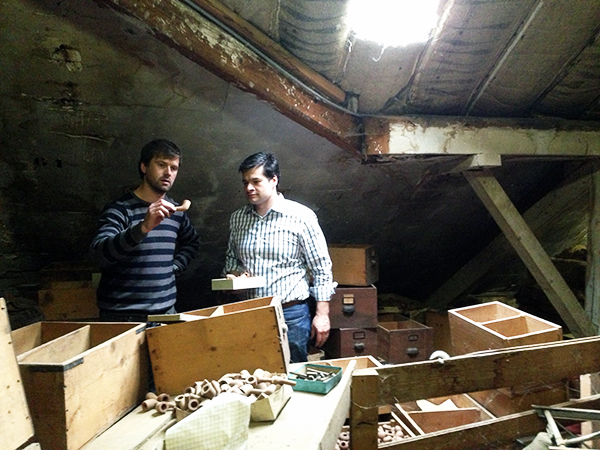
During a visit to Chapuis-Comoy's old storage rooms in St. Claude, they discovered a vast collection of decades-old vintage briar stummels that had been left unfinished in storage:

  • Premium 1970s Briar: Turned back in the 1970s, these stummels were crafted from select-grade briar completely free of even the smallest fills.

  • Genuine Horn Stems: Many of these stummels were fitted with real horn stems. Horn craftsmanship is a rare art form today due to its high cost and intricate production process.

These historic pieces were brought to market under the "Ropp" name, delivering high-quality collectible pipes to modern enthusiasts.

3. Key Ropp Lines Every Collector Should Know

Through the restoration of vintage briar blocks and classic shapes, Ropp introduced several popular lines:

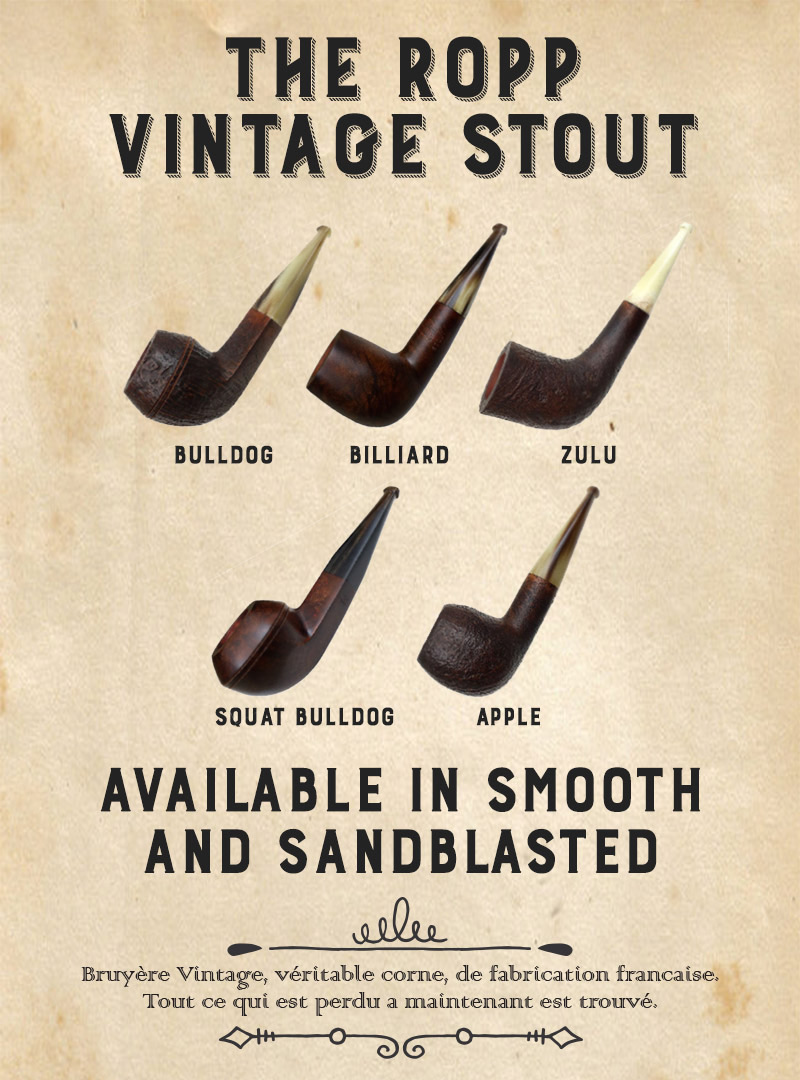
3.1 Ropp Vintage Stout Line

  • Concept: Inspired by the compact, chubby (stout) pipe shapes popular in the early 20th century.

  • Highlights: Crafted from original vintage stummels paired with genuine horn stems. Featuring Group 4-sized chambers, these short-stemmed pipes are available in both Smooth and Sandblasted finishes across classic shapes like Zulus, Apples, Bulldogs, and Billiards.

3.2 Ropp Vintage Line

  • Concept: Traditional French shapes characterized by elegant, slender, and well-proportioned profiles, including classic Billiard, Cutty, and Lovat shapes.

  • Highlights: Chamber sizes range from small (Group 2–3) to standard sizes. The longer stem offers a slightly cooler smoke and a classic hand feel.

4. Why Ropp Pipes Win the Hearts of Pipe Smokers Worldwide

  1. Classic French Elegance: Lightweight, delicate designs prioritizing refined aesthetics and comfortable handling.

  2. Decades-Aged Briar Quality: Cured since the 1970s, this aged wood delivers a dry, smooth smoke with excellent heat resistance.

  3. Rarity of Genuine Horn Stems: In an era dominated by acrylic and vulcanite, owning a pipe with an authentic horn stem offers a unique vintage charm.

Ropp pipes are more than just smoking instruments—they are living pieces of history connecting traditional French artistry with the modern era. If you are looking for a pipe rich in story, lightweight aged briar, and iconic design, Ropp is a choice you should not miss.

References: The History of Ropp Pipes

Leave a Reply

Your email address will not be published. Required fields are marked *